-
-
-
805 Dave Pate Drive, Roselle, IL, 60172
Your Move. Our Mission.

Since 1973, our family-owned company has delivered dependable moving solutions locally, nationwide, and around the world.



Moving can feel overwhelming, but a little planning makes the process much smoother. Use this checklist to stay organized and make moving day easier.
Start planning early to avoid last-minute stress.
Schedule your moving date with a professional moving company
Begin sorting through belongings and decide what to keep, donate, or discard
Create a moving folder for estimates, receipts, and important documents
Notify schools, employers, and service providers of your upcoming move
Start gathering packing supplies such as boxes, packing tape, markers, and protective materials
This is a good time to begin packing items you use less often.
Pack seasonal items, decorations, books, and storage areas first
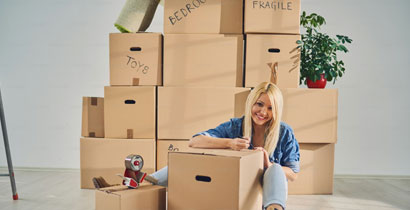
Clearly label all boxes with the room they belong in and a short description of contents
Arrange for utility transfers or cancellations (electric, gas, internet, water)
Submit a change-of-address request with the post office
Notify banks, insurance providers, and subscription services of your new address
Finalize preparations and pack most of your home.
Continue packing daily items and leave only essentials unpacked.
Set aside important documents, medications, valuables, and jewelry to move personally.
Confirm details with your moving company, including arrival time and contact information.
Plan meals to reduce food in your refrigerator and freezer
Prepare a box with cleaning supplies for your move-out
The kitchen usually takes the longest to pack because of fragile items and small appliances.
Start by packing items you don’t use daily, such as specialty cookware, serving dishes, and small appliances. Wrap dishes individually with packing paper or bubble wrap and pack plates vertically in sturdy boxes to reduce the risk of breakage. Glasses and mugs should be wrapped separately and placed upright. Use smaller boxes for heavier items like canned goods to keep boxes manageable. Always fill empty space with packing paper so items do not shift during transport.
Living rooms often contain electronics, décor, and fragile items. Remove batteries from remotes and electronics before packing. Take photos of cable connections before unplugging entertainment systems so they are easy to reconnect later. Wrap lamps, artwork, and decorative items carefully with protective padding. Use furniture pads or moving blankets to protect large furniture pieces from scratches.
Bedrooms are typically easier to pack and can be done quickly with the right preparation.
Pack out-of-season clothing first and leave frequently worn items for last. Wardrobe boxes are helpful for keeping clothes on hangers and wrinkle-free during the move. Jewelry, valuables, and important personal items should always be transported personally rather than placed on the moving truck.

Bathrooms can be packed fairly quickly with a few precautions.
Dispose of expired medications and toiletries before packing. Seal liquid items in plastic bags to prevent leaks during transport. Pack small items together in clearly labeled boxes so they are easy to find when unpacking.
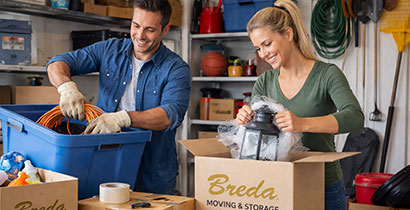
Garages often contain heavy tools and equipment.
Drain fuel from lawn equipment before moving. Pack tools in sturdy boxes and wrap sharp edges for safety. Hazardous materials such as paint, chemicals, and propane tanks typically cannot be transported on moving trucks and should be disposed of properly beforehand.